
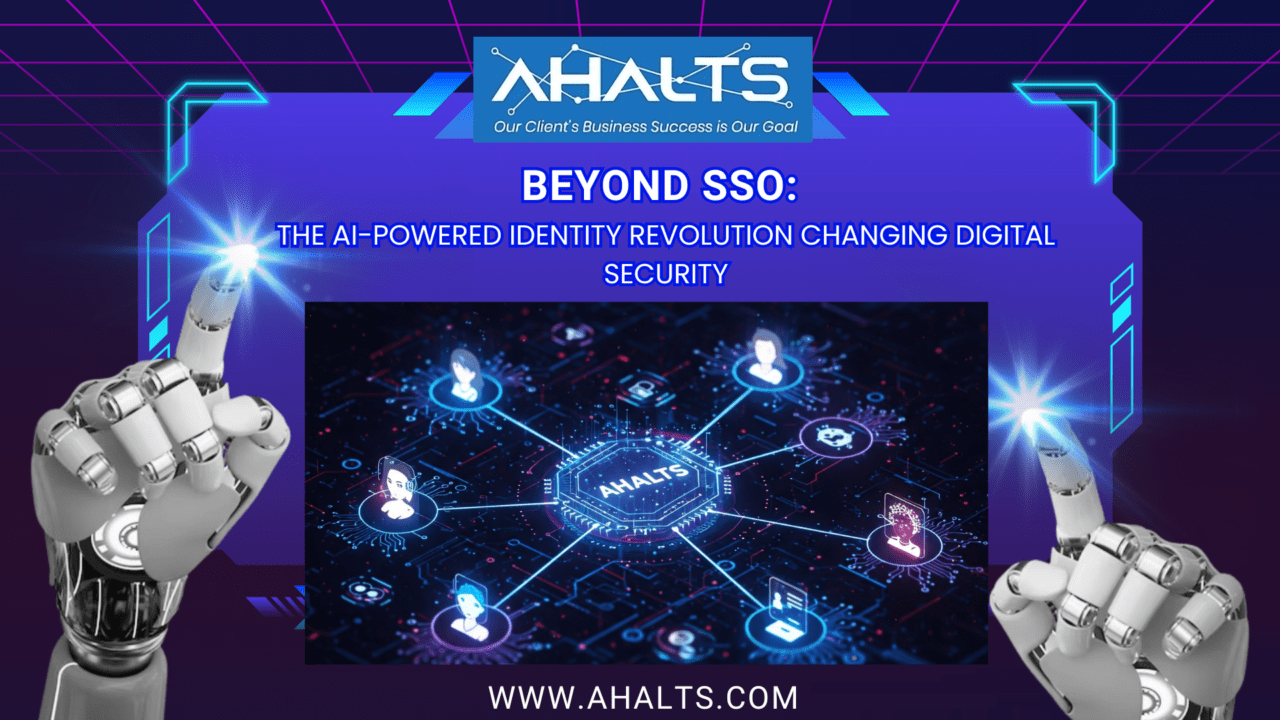
AI is rapidly transforming HR operations — from recruitment automation to predictive workforce planning and intelligent payroll systems. This new wave of digital HR innovation is often referred to as HRMS 4.0, representing next-generation HR technologies powered by AI, machine learning, predictive analytics, and cloud-native architecture.
1. What Is HRMS 4.0?
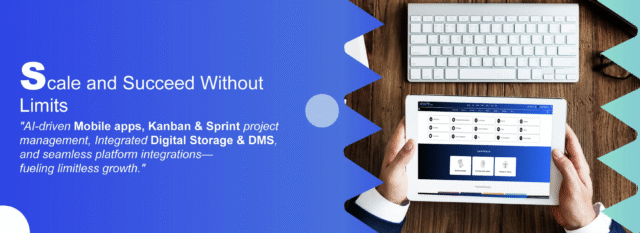
HRMS 4.0 is the evolution of traditional HR systems into smart, AI-driven platforms capable of real-time insights, automated decision-making, and predictive analytics. Unlike traditional HRMS tools that mainly record data, HRMS 4.0 actively analyzes trends, flags risks, and suggests actions to HR leaders.
Evolution timeline:
- HRMS 1.0 – Basic HR record-keeping.
- HRMS 2.0 – Web-based workflows and employee self-service.
- HRMS 3.0 – Integrated HR suites covering talent, payroll, and performance.
- HRMS 4.0 – AI-powered, data-driven, cloud-native HR ecosystems.
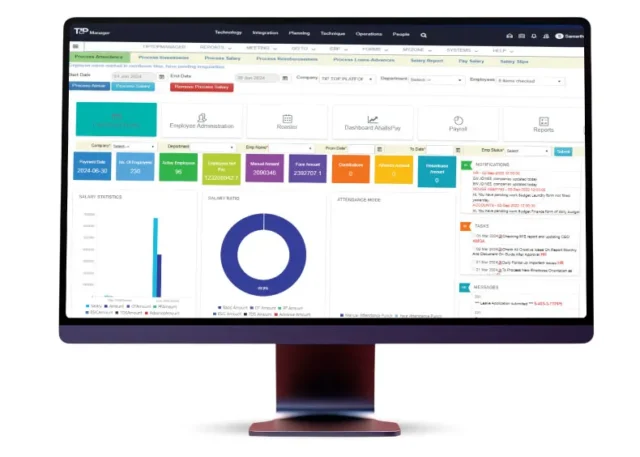
AHALTS HRMS is a strong example of HRMS 4.0 in action, offering AI-based automation, KYC-verified employee records, and cognitive attendance auditing.
2. Technologies Powering HRMS 4.0
HRMS 4.0 combines multiple advanced technologies to automate and optimize HR operations.
2.1 Artificial Intelligence & Machine Learning
AI and ML help HRMS tools analyze patterns, automate repetitive tasks, detect anomalies, and enhance decision-making. From AI resume screening to predictive performance analysis, HR is becoming smarter and more efficient.
2.2 Predictive Analytics
Predictive analytics identifies future HR trends—such as attrition risk, skill shortages, workforce demand, and performance bottlenecks. This empowers HR teams to plan strategically instead of reacting late.
2.3 Cloud & Microservice Architecture
Cloud-native HRMS platforms offer speed, flexibility, scalability, and seamless integration with other business tools. Microservice-based systems like AHALTS allow continuous updates and independent module scaling.

3. Smarter Talent Acquisition with AI
HRMS 4.0 accelerates hiring by using AI to screen resumes, match candidate profiles, and identify top talent automatically. Recruiters save hours of manual work and focus on interviewing only the most relevant candidates.
Key AI recruitment features:
- Resume parsing and scoring
- Candidate-job matching algorithms
- Intelligent talent pool mining
- Automated interview scheduling
4. Predictive Workforce Planning
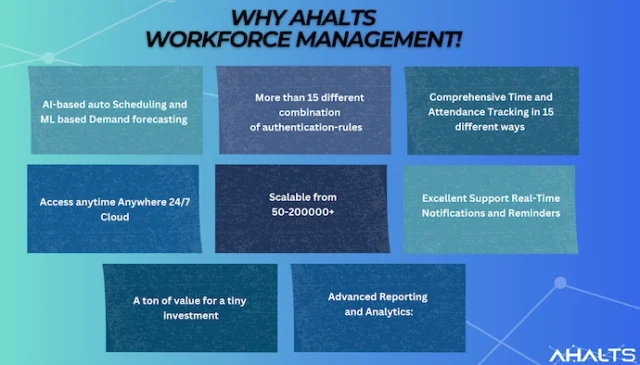
Workforce planning used to be guesswork. With HRMS 4.0, HR teams can now forecast manpower needs, identify skill gaps, and simulate workforce scenarios with data-backed accuracy.
Examples of predictive use cases:
- Anticipating attrition and turnover hotspots
- Forecasting hiring requirements for growth
- Preventing overstaffing or understaffing
- Estimating overtime and labour cost fluctuations
Automated Onboarding & Payroll
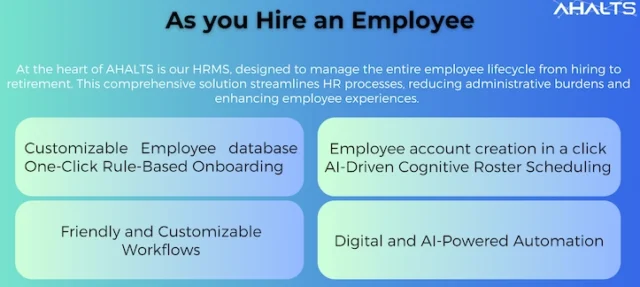
HRMS 4.0 simplifies onboarding through automated workflows, digital verifications, and seamless data flow from recruitment to HR to payroll. Payroll accuracy improves dramatically when combined with AI-based attendance validation.
Key benefits:
- Automated document collection and digital KYC
- One-click onboarding workflows
- Policy-driven payroll calculations
- Integration with attendance and shift data

6. Data-Driven HR Decision-Making
With real-time analytics dashboards, HR leaders can monitor workforce performance, engagement, productivity, and costs. AI-driven insights help companies reduce attrition, improve productivity, and optimize labour spending.
HRMS 4.0 analytics enable:
- Labour cost monitoring in real-time
- Attrition prediction models
- Employee engagement dashboards
- Compliance and audit reporting

7. Why AHALTS Is a Strong Example of HRMS 4.0
AHALTS stands out due to its deep AI integration, identity verification systems, and microservice-based scalability.
Core advantages include:
- AI-powered cognitive attendance auditing
- Face ID-based attendance validation
- KYC-verified employee profiles
- Integrated HR + Payroll ecosystem
- Cloud-based microservice architecture
- Secure, scalable, and API-ready design

8. Challenges & Ethical Considerations
Despite its benefits, HRMS 4.0 introduces challenges such as privacy concerns, AI bias, change resistance, and adoption issues. Companies must create policies to govern ethical AI use.
Key concerns:
- Data privacy & regulatory compliance
- Algorithm fairness and transparency
- Change management during digital adoption
- Security of cloud HR systems
9. Steps to Begin Your HRMS 4.0 Transformation
A successful transition to HRMS 4.0 requires strategic planning. Organisations should evaluate current HR gaps, set clear goals, choose the right platform, and adopt AI features in phases.
Recommended steps:
- Assess current HR maturity and system gaps.
- Define the expected outcomes and ROI goals.
- Choose an HRMS 4.0-ready platform like AHALTS.
- Start with high-impact modules: payroll, attendance, recruitment.
- Implement AI governance and data protection measures.
- Train HR teams and encourage adoption.
10. Conclusion
HRMS 4.0 represents the future of HR — intelligent, automated, predictive, and deeply integrated with business objectives. AI-powered platforms like AHALTS demonstrate how modern HR systems can improve efficiency, reduce risks, strengthen compliance, and empower HR leaders with actionable insights.
The question for organisations today is no longer whether they should adopt HRMS 4.0, but how soon they can begin their transformation to stay competitive, compliant, and future-ready.